The Tiger Wong Typeface: A Bold Font for Distinctive Business Branding
As a small business owner, I understand how every detail contributes to customer perception. From the words on your packaging to the graphics on your social media posts, each element whispers something about your brand’s quality and personality. One of the most powerful, yet often overlooked, design choices you can make is your font. Today, I want to introduce you to a display font called Tiger Wong that can help transform your customer-facing materials.
What is Tiger Wong? Its Personality and Visual Power
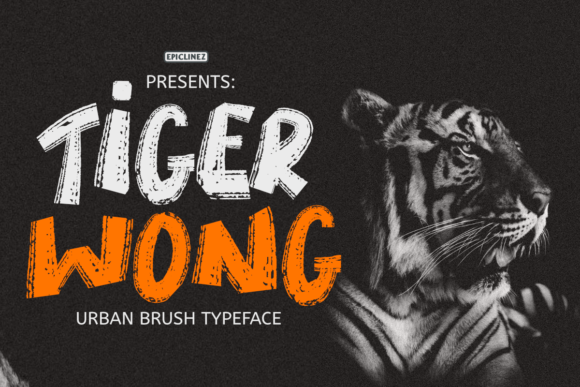
Tiger Wong is a quirky and interesting display brush font. Its letterforms are powerful and thick, crafted with a brush-like texture that suggests confident, handmade energy. This isn’t a delicate script or a sterile corporate typeface. It’s a font with character—bold, assertive, and immediately noticeable.
The mood it creates is one of playful strength. Think of a modern artisan with a clear vision, or a local brand that’s unafraid to stand out. The overall visual appeal is grounded yet creative, making it feel premium without being overly formal. It’s the kind of typeface that, when used correctly, tells customers your brand has a distinct voice.
Using Tiger Wong Across Your Real-World Business Touchpoints
Consistency is the cornerstone of trust. When customers see the same visual language on your website, your product, and your social media, they recognize you instantly. Tiger Wong can be the anchor for that visual language.
Imagine applying Tiger Wong to your primary logo. Its thick letters ensure your business name is memorable even at small sizes on a business card or a sticker. For packaging design, it’s perfect for your product label’s headline or brand name. A handmade candle company could use Tiger Wong for its core brand name on every candle label, creating immediate shelf presence.
In digital spaces, Tiger Wong shines as an accent. Use it for key headlines on your website banners, for promotional text in your Instagram posts, or as the main title on your Pinterest graphics. For a bakery or café, Tiger Wong could be the perfect font for your menu’s section titles—like “Fresh Pastries” or “Specialty Coffees”—adding a touch of personality without sacrificing clarity.
Practical Examples for Different Businesses
- A boutique selling unique clothing could use Tiger Wong for its logo and on hang tags, communicating a curated, bold selection.
- A beauty product brand focusing on natural ingredients might use it on packaging for the product line name, pairing it with a clean sans serif for ingredient details.
- A coaching business or online shop could deploy Tiger Wong for its website hero text and digital ad headlines, establishing a confident, creative tone.
- An independent creator selling digital downloads could use it on cover graphics for e-books or course materials, making their offerings look professionally crafted.
Tiger Wong as a Headline and Display Font
It’s important to understand Tiger Wong’s role. This is a display font. Its primary job is to attract attention and set a mood for headlines, logos, and short phrases. You should not use it for long paragraphs of body text, such as the full description on your website or the terms on your thank-you cards.
Use Tiger Wong as your dominant accent typeface. Let it be the star for your brand name on your product labels, the key call-outs on your flyers, and the impactful titles on your website visuals. For all supporting text—like addresses, product details, or blog posts—pair it with a more readable font. This strategy ensures your brand looks both expressive and professional.
Readability in Real Business Settings
A font must work where your customers see it. Tiger Wong’s thick, well-defined letters maintain good readability even at moderate sizes. On a small product label, your brand name printed with Tiger Wong will be clear. On a mobile screen, a headline using Tiger Wong in a social media thumbnail will still be legible.
For printed packaging, its weight ensures it doesn’t fade into the background. However, always test. Before committing, create mock-ups of your actual materials. Print a sample label or view your website banner on a phone. See how Tiger Wong performs in your specific context.
A Simple Approach to Font Pairing with Tiger Wong
The best font pairing strategy for a bold display font like Tiger Wong is contrast. Pair this expressive typeface with a simple, highly readable font for all other text.
- Pair Tiger Wong with a clean, modern sans serif font for body text. This is a classic and effective combination for websites, packaging details, and longer descriptions.
- Pair Tiger Wong with a traditional serif font for a more classic, editorial feel. This could work well for a boutique’s story section or a café’s printed newsletter.
This pairing creates balance. Tiger Wong provides the memorable personality, while the paired font ensures everything is easy to read and looks cohesive. These design assets together build a stronger brand identity.
Essential Practical Advice Before You Begin
First, test Tiger Wong in your design software with your actual brand colors and layouts. Does it convey the feeling you want? Does it work with your existing imagery?
Second, and crucially, check the commercial font licensing for Tiger Wong. Most fonts have specific licenses for business use. You need to ensure you can legally use this font on products you sell, physical packaging, client work, merchandise, or digital templates you create. This is a non-negotiable step for any business owner. Using a font without the proper license can lead to serious issues.
Choosing a font like Tiger Wong isn’t about following a trend. It’s about selecting a tool that helps your business communicate more clearly. Its bold, quirky character can make your brand materials look consistent, professional, and instantly recognizable across every touchpoint—from the physical label in a customer’s hand to the graphic on their phone screen. When your visual language is distinct and cohesive, you build trust and make a lasting impression.